AI-Powered Shared Device Authentication
Multiple users, One device, Zero compromise.
Facia’s cutting-edge 3D liveness verification ensures only the right person unlocks the device, every time. No more shared passwords or credentials.

Shared Devices Create Shared Risks
Shared passwords and PINs leave systems vulnerable to data leaks and fraud. Without knowing who's logged in, tracking employee access becomes a challenge.
The result? Lost time and unnecessary risk.
AI-Powered Identity for Shared Access
Fast, Secure, and Frictionless.
Facia transforms how teams access shared systems.
With real-time liveness detection and facial recognition, every user session starts and ends with verified trust.
No guesswork, just genuine people securely authenticated in seconds.

Liveness
Detection

Face
Search

Access
Granted
Built to Protect Shared Workflows, Backed by Advanced Biometrics

Instant Facial
Recognition (1:N)
Seamless switching between multiple users.

Ultra-Fast
Authentication (<300ms)
No waiting, no manual input.

Privacy First
Architecture
All facial data handled securely and encrypted.

Cross-Platform
Integration
Works across terminals, kiosks, and enterprise systems.

Identity stays
separate
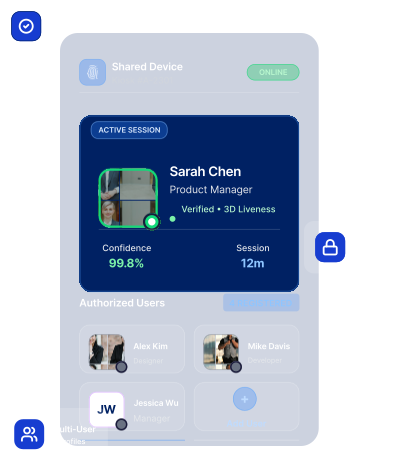
One device, many users, every profile locked behind its own 3D liveness check.

Spoof protection
built in
Masks, synthetic IDs, lookalikes, all detected instantly.
How Facia Beats Traditional
Authentication
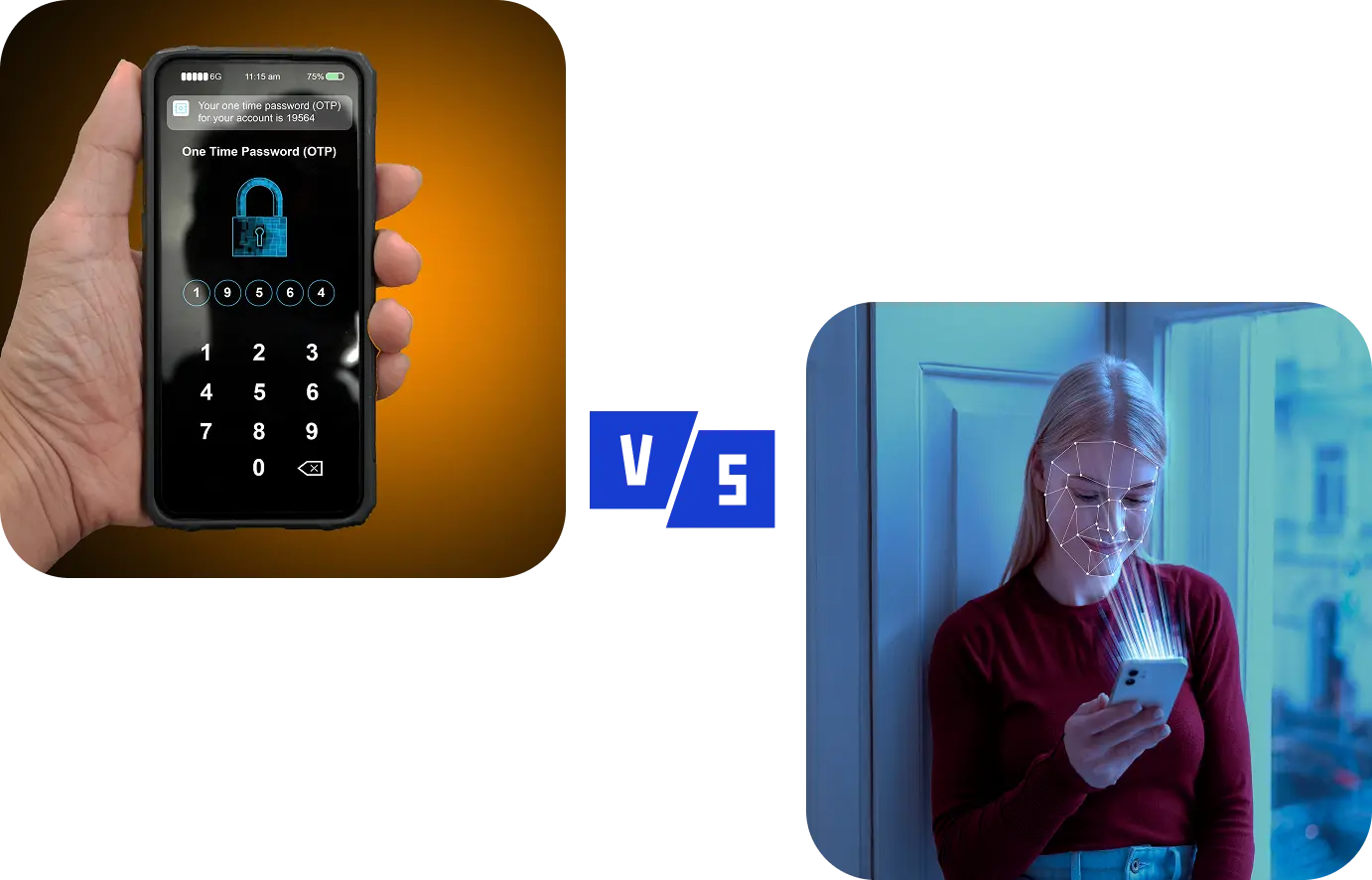
Passwords get leaked. OTPs get forwarded. Basic biometrics fall for photos.
Facia checks for real presence before anything else, using biometrics for shared device
authentication, which eliminates spoofing, prevents misuse, and keeps every user’s data separate.
Built for Every Industry That
Shares Devices

Retail Operations
Shared counters, checkout systems, and stockroom tablets - Facia makes sure only verified staff can use them. No fake logins, no risks, just smooth, secure access.

Logistics & Supply Chain
Warehouse workers and drivers often use the same devices throughout the day. Facia keeps every scan and dispatch safe with instant face checks - no passwords, no confusion.

Healthcare Teams
When multiple nurses or doctors use the same device, security can’t slow them down. Facia verifies each clinician on the spot, protecting patient data and ensuring compliance.
Banking Desks & Microfinance Units
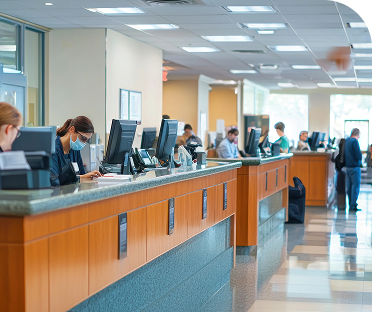
In branches where staff share computers or kiosks, Facia prevents unauthorized access with a quick face check, so that only the right person can access sensitive accounts or customer info.

Support & Call Centers
Agents rotate desks all day. Facia’s fast face authentication confirms who’s really logging in, stopping credential misuse and saving time on every shift.

Education & eLearning Labs
Facia ensures that the person logging in is the right student or instructor, maintaining exam integrity and securing online classrooms.
Trusted and Certified for Compliance







Frequently Asked Questions
Find answers to your most common questions in our FAQ section.
Shared device authentication is the process of verifying each individual user on a device that multiple people use. Instead of relying on shared passwords, the system confirms the identity of every user before granting access.
Businesses prevent unauthorized access by replacing shared credentials with liveness-based facial verification. Facia detects whether the person using the shared device is real and matches the authorized user, helping organizations stop impersonation and credential misuse.
Shared device authentication supports compliance by ensuring every login is tied to a verified user. It strengthens audit trails, reduces unauthorized access, and helps businesses meet data protection and access-control regulations.
Offline authentication works by using securely stored, encrypted credentials or tokens on the device. Users can verify identity without internet access, and all logs sync automatically once the device reconnects.
Yes. Shared devices can rapidly switch between users while keeping each session separate. Facia verifies the real user instantly during each login, ensuring sensitive data stays tied to the correct account.
Recent Blogs