
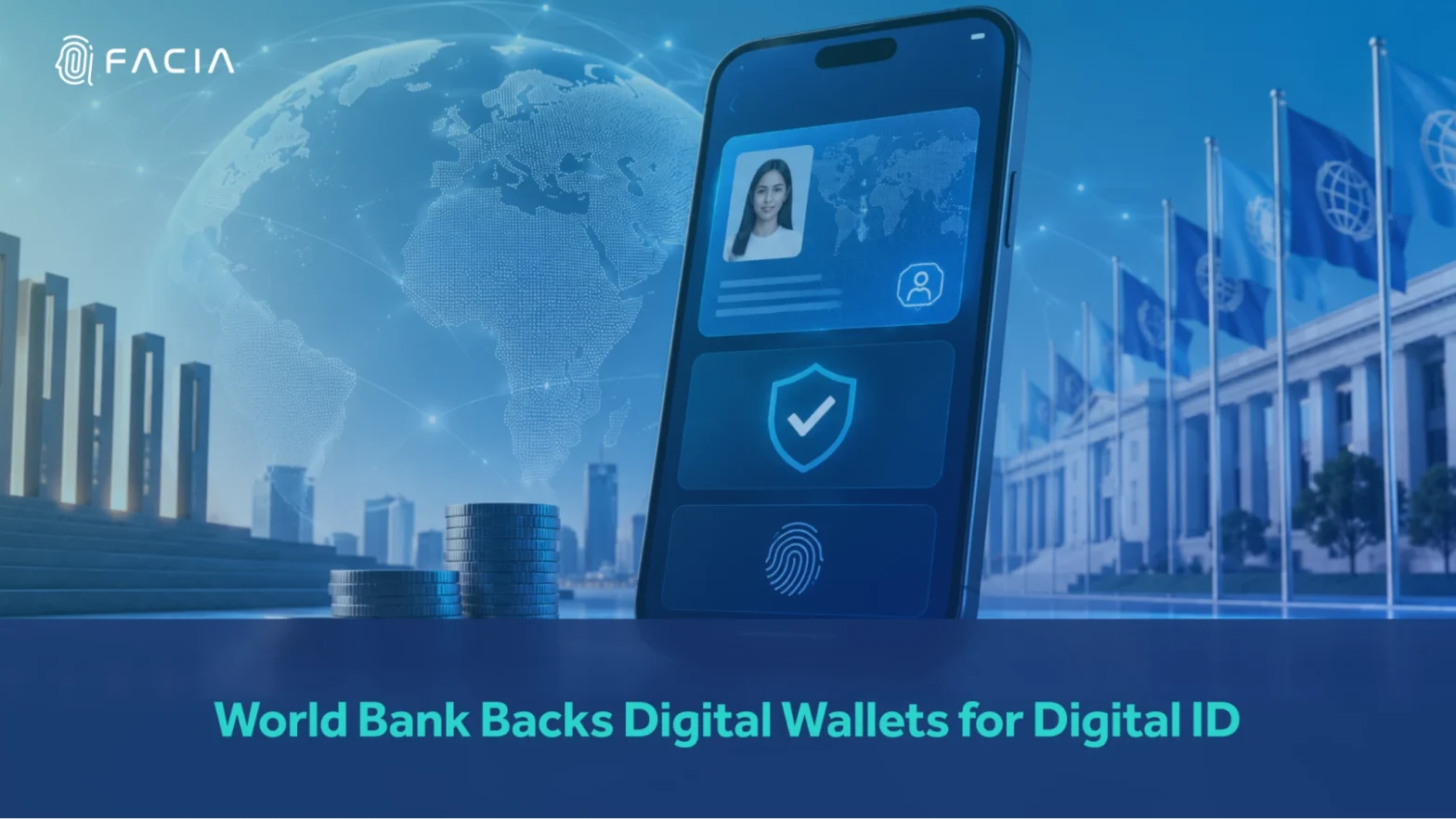
World Bank Backs Digital Wallets for Digital ID
Author: admin | 24 Jun 2026
In This Post
The World Bank has backed digital wallets and verifiable credentials as essential building blocks for the next generation of digital public infrastructure. In its ID4D policy note, Digital Wallets: A New Paradigm, the institution says countries should move away from rigid, siloed platforms where identity, payments, data sharing, and electronic signatures operate separately.
Wallets provide a user-centric trust layer that enables users to securely store, manage, and present digital proofs while avoiding repeated database checks. This represents a move from centralized identity to a decentralized approach, empowering individuals to have greater control over the data they share and with whom.
The solution can benefit the government by eliminating the need for a large, centralized system and by streamlining service delivery. For citizens, it enables privacy, selective disclosure, and data sovereignty, allowing them to establish eligibility for benefits, education records, licenses, or identity attributes without providing unnecessary information.
The World Bank states that digital wallets shouldn’t be considered a standalone solution. Rather, they should become an integral part of the core infrastructure that links identity, payment, signatures, and the trusted exchange of data between public and private services.
To facilitate interoperability across sectors and borders, the policy note suggests open standards such as W3C Verifiable Credentials. It also demands unambiguous roles of the credential issuers, wallet provider, and verifier, and an inclusive design for those lacking a smartphone and good digital literacy.
There are already projects underway in countries such as Ethiopia, Djibouti, Honduras, Papua New Guinea, Benin, Morocco, and Kenya to implement wallets. Secure liveness detection and authentication will be key to protecting real users, preventing fraud, and ensuring safe, scalable identity verification as governments develop and modernize their digital ID systems while enabling digital wallets. This is where the increasing relevance of biometric assurance comes in.
Global Digital Wallet and Digital ID Initiatives
Similar momentum has appeared globally. The EU is advancing its Digital Identity Wallet, while Bhutan, Ukraine, and Singapore have pushed citizen-centric digital identity models. Mobile driver’s licenses in the US and MOSIP-linked wallets in developing markets also show how reusable credentials are becoming central to secure, privacy-focused public service access.


