



How California AB 1043 Is Changing Digital Age Verification in 2027
Author: admin | 25 Nov 2026 | Last Updated: 25 November 2026In This Post
Age verification is becoming a legal priority, and California is raising the bar. The California Digital Age Assurance Act (AB 1043) is changing how applications identify and protect underage users. Starting January 1, 2027, developers must request age signals from operating systems or covered app stores to support age-related safety requirements.
The need for stronger age assurance is clear. According to Pew Research Centre, 95% of US teens have access to a smartphone at home, while 46% report being online almost constantly.
For developers, AB 1043 compliance means understanding age signals, protecting user information and applying appropriate safeguards across platforms. It also means reviewing existing age verification system to identify gaps before the deadline.
This guide explains the law’s key requirements and the steps developers should take to prepare for 2027.
What Is the California Digital Age Assurance Act?
The California Digital Age Assurance Act was signed into law in October 2025. It establishes a framework for operating systems and covered app stores to share users’ age ranges with application developers.
Rather than receiving a precise birth date, developers receive an age range. The law defines age bracket data as “information that is not personally identifying information.
California later updated the legislation through AB 1856, signed in September 2026. Developers preparing for the deadline should follow the amended requirements.
The law establishes four age brackets:
- Under 13: Children younger than 13.
- 13 to 15: Younger teenagers.
- 16 to 17: Older teenagers.
- 18 and older: Adults.
These categories are intended to help applications apply the appropriate level of age-specific protection without routinely obtaining users’ birth dates.
How Does the Age Signal API Work?
The age signal API allows operating systems and covered app stores to communicate a user’s age bracket to application developers.
If the device has an account setup feature, the operating system should include an interface for entering the primary user’s age or date of birth during device account setup. It then works out the correct age group.
The developers are required to ask for the age signal when downloading and running an application.
The process generally involves three steps:
- Age information is provided: During device setup, the account holder enters the primary user’s age or birth date.
- A class of ages is created: The OS assigns one of the four age classes.
- The application sends a signal: Developers make a request to the application’s supported interface for the age bracket.
The signal becomes the primary indicator of the user’s age range unless developers possess clear and convincing internal information showing otherwise.
Why Does AB 1043 Compliance Matter?
AB 1043 changes how developers handle age information across digital platforms. Once an application receives an age signal, the developer is considered to have knowledge of the user’s age range across relevant platforms and access points, including connected websites.
This information can impact the way that businesses comply with other minor online safety legislation, such as privacy and age-restricted content and access controls. Compliance is more than just integration with an API for developers. Applications must understand the categories correctly, handle conflicting information, and ensure that age information is protected.
But AB 1043 does not require all applications to conduct biometric age verification. It is mainly designed to provide a uniform age signal for compliance with other applicable legal requirements.
AB 1043 Developer Checklist Before January 2027
Preparing for AB 1043 requires technical updates, privacy reviews and clear procedures for handling age information.
1. Identify Covered Applications and User Journeys
First, check the apps that have been distributed via covered app stores. Establish the download location of applications, account creation points and access to services on mobile and web devices.
Standalone websites do not have a separate age signal request requirement under AB 1043. But websites that are connected can still be impacted when developers are getting the age details via an application. This review is useful for businesses to determine which systems are in need of updating.
2. Prepare Your Age Signal API Integration
Review the technical guidance provided by relevant operating systems and app stores. Developers should prepare applications to request age signals during the required download and launch process.
The integration should support receiving age brackets, linking signals to relevant user accounts and handling unavailable responses. Testing should also cover technical failures and delayed signals. Keep appropriate records of signal requests and how the information supports age-related safeguards.
3. Configure the Correct Age Brackets
Applications need to acknowledge the four age groups defined by AB 1043. The developers should link each category to the safeguards that should be applied to their services.
In some cases, a particular application might have different access requirements for users aged 18 and under. But it is not advisable for developers to use an age range as a birth date. The goal is to provide proper protection using the information available.
4. Review Conflicting Age Information
An operating system age signal generally serves as the primary indicator of a user’s age range. However, developers may rely on clear and convincing internal information when it shows that the received signal is incorrect.
For instance, if a child has reliable account information, that information might place them in a different age category. Developers need a process to handle conflicts and apply the right classification. The law also bans tricking users into changing their age.
5. Protect User Privacy and Age Data
Privacy protection is an important part of AB 1043 compliance. Developers are not allowed to ask for any additional age data from apps which are already covered, or from the operating system.
They also need not disclose age signals to third parties or for other purposes. Data storage, access rights and retention practices should be reviewed by businesses. Age data must be used for the purposes specified herein and only for permitted uses, such as in order to satisfy legal obligations.
6. Test Age Assurance Across Platforms
Before deployment, developers should test how applications respond to different age brackets. Testing should cover missing signals, conflicting information, family accounts and connected web sessions. Engineering and compliance teams should review the results together.
Developers should also confirm that existing age classifications remain accurate when applications are updated. Regular testing can help identify technical problems before they affect users.
7. Evaluate Additional Age Verification Requirements
An age signal does not always provide the level of assurance required for every digital service. Applications offering age-restricted content or sensitive services may need additional checks under other applicable laws.
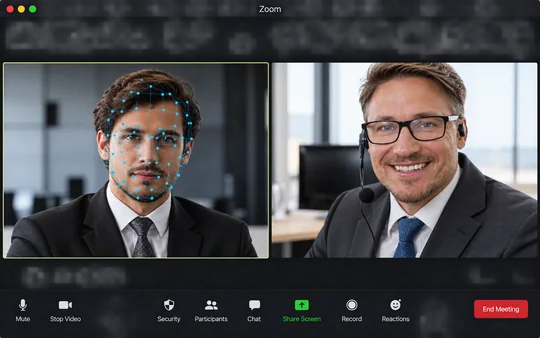
Businesses should assess whether age verification software, facial age estimation or document verification is appropriate for their specific requirements. Any additional checks should follow applicable privacy rules and avoid unnecessary data collection.
What Are the AB 1043 Deadlines and Penalties?
January 1, 2027 is the main implementation date for the California Digital Age Assurance Act.
However, certain existing devices and applications have transitional requirements.
For devices configured before January 2027, covered operating systems must provide the required age entry interface before July 1, 2027.
A separate transition applies to qualifying applications downloaded before January 2027 and last updated on or after January 1, 2026. Developers must request an age signal before July 1, 2027, if one has not already been requested.
These transitional provisions do not extend the deadline for every application.
The California Attorney General may pursue civil penalties of up to:
- $2,500 per affected child for each negligent violation.
- $7,500 per affected child for each intentional violation.
The amended law also protects certain good-faith actions involving incorrect signals and technical limitations.
Developers should review the California AB 1043 legislation and its amendments when preparing their compliance plans.
How Facia Helps Businesses Strengthen Age Verification
AB 1043 introduces a framework for sharing age information, but age signals alone may not meet every business’s verification needs. Applications offering age-restricted services may require additional assurance to determine whether users meet legal age thresholds.
Facia provides AI-powered age verification software that uses facial age estimation to assess users’ ages without routinely requiring identity documents. Its technology supports age threshold checks and helps businesses introduce age assurance into digital onboarding.
Facia also offers liveness detection to help identify spoofing attempts and reduce the risk of fraudulent verification.
These capabilities can complement existing age assurance systems when stronger verification is required. However, they do not replace the operating system or app store age signal obligations under AB 1043.
As January 2027 approaches, businesses should evaluate their age verification processes, review compliance requirements and address potential gaps.
Make age verification a stronger part of your digital safety strategy. Explore Facia’s Age Verification Solution and book a Demo today.