
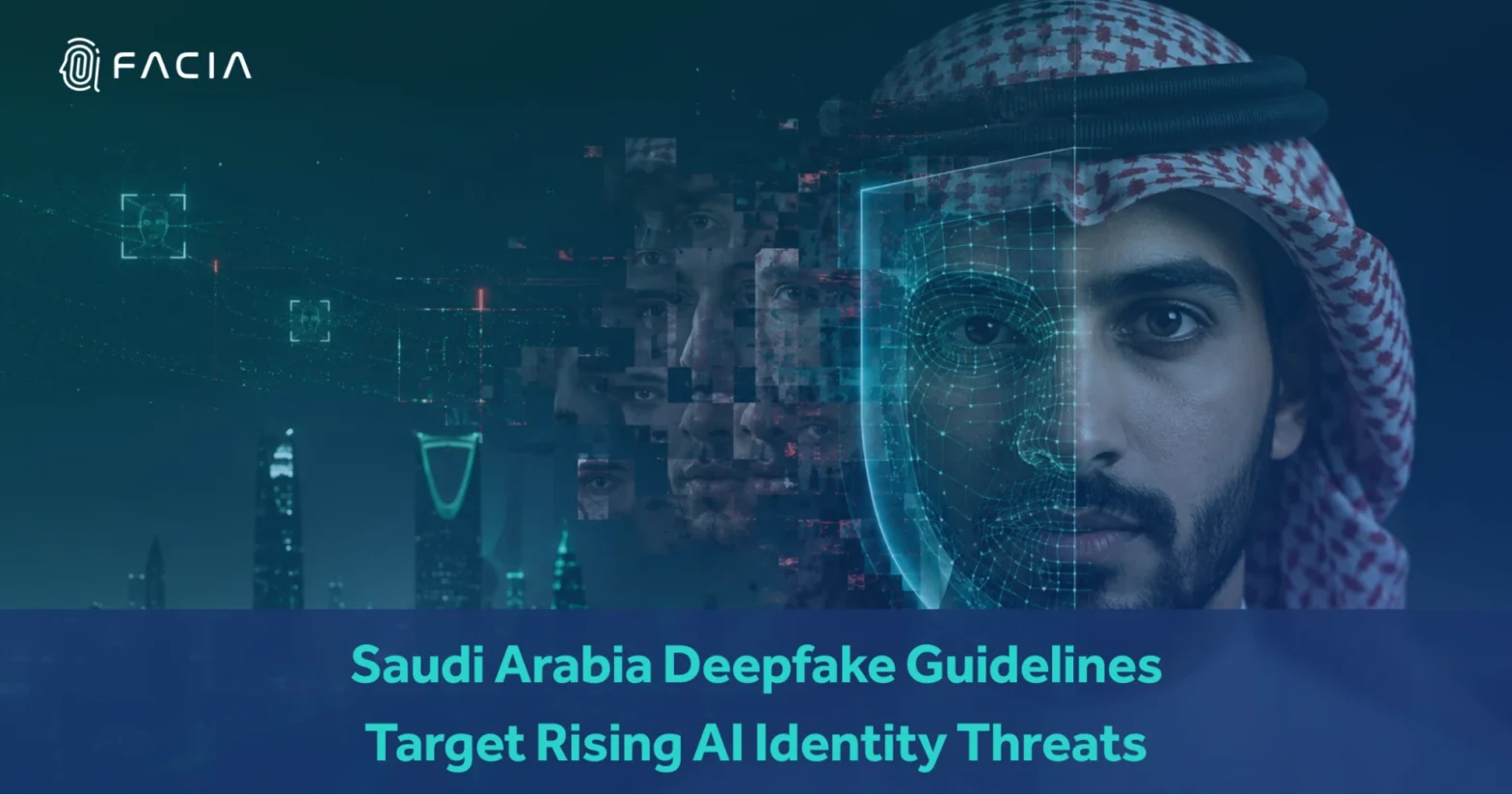
Saudi Arabia Deepfake Guidelines Target Rising AI Identity Threats
Author: admin | 31 Aug 2026
Saudi Arabia is strengthening its response to AI-generated impersonation as deepfakes become more convincing and increasingly threaten digital identity systems.
The Saudi Data and Artificial Intelligence Authority (SDAIA) has announced its “Deepfakes Guidelines: Mitigating Risks While Fostering Innovation”, which provide guidelines for developers, content creators, consumers, and regulators to mitigate risks arising from synthetic media.
The guidance identifies identity fraud, impersonation, disinformation, and non-consensual manipulation among the major dangers associated with malicious deepfakes. SDAIA notes that AI-generated audio, video, and images can closely replicate real people, fooling users and potentially evading traditional security measures.
The framework calls for developers to implement robust data protection measures, seek consent before using personal data or an individual’s likeness in AI, remain transparent about their practices, and demonstrate accountability for AI’s results. The guidance also suggests the use of digital watermarking, source verification, human oversight, and systems to identify or alert to unauthorised use of a deepfake.
Content creators should be transparent when representing synthetic content and refrain from using deepfake technology for fraud, defamation, or impersonation. Consumers are urged to check sources, to look for suspicious audiovisual materials, and to employ detection devices as appropriate.
The development reflects Saudi Arabia’s wider effort to build trust around artificial intelligence and digital services as part of its national transformation agenda. With remote onboarding, digital payments, and online government services expanding, synthetic identity attacks are becoming a more important security concern.
For businesses, the guidance reinforces the need for stronger identity verification, liveness detection, and deepfake detection that can identify manipulated faces, voices, and injected media before fraudulent users gain access to digital platforms.
As generative AI tools improve, identity systems must distinguish not only a live user from a spoof, but authentic media from synthetic content.

How Governments Worldwide Are Regulating Deepfake Impersonation
Governments worldwide are tightening controls on deepfakes. The European Union’s AI Act introduces transparency duties for certain synthetic content, while China requires labels for deep-synthesis media. India has pressed major platforms to strengthen deepfake detection, and several U.S. states have introduced laws targeting deceptive AI-generated impersonation and harmful content online.


