
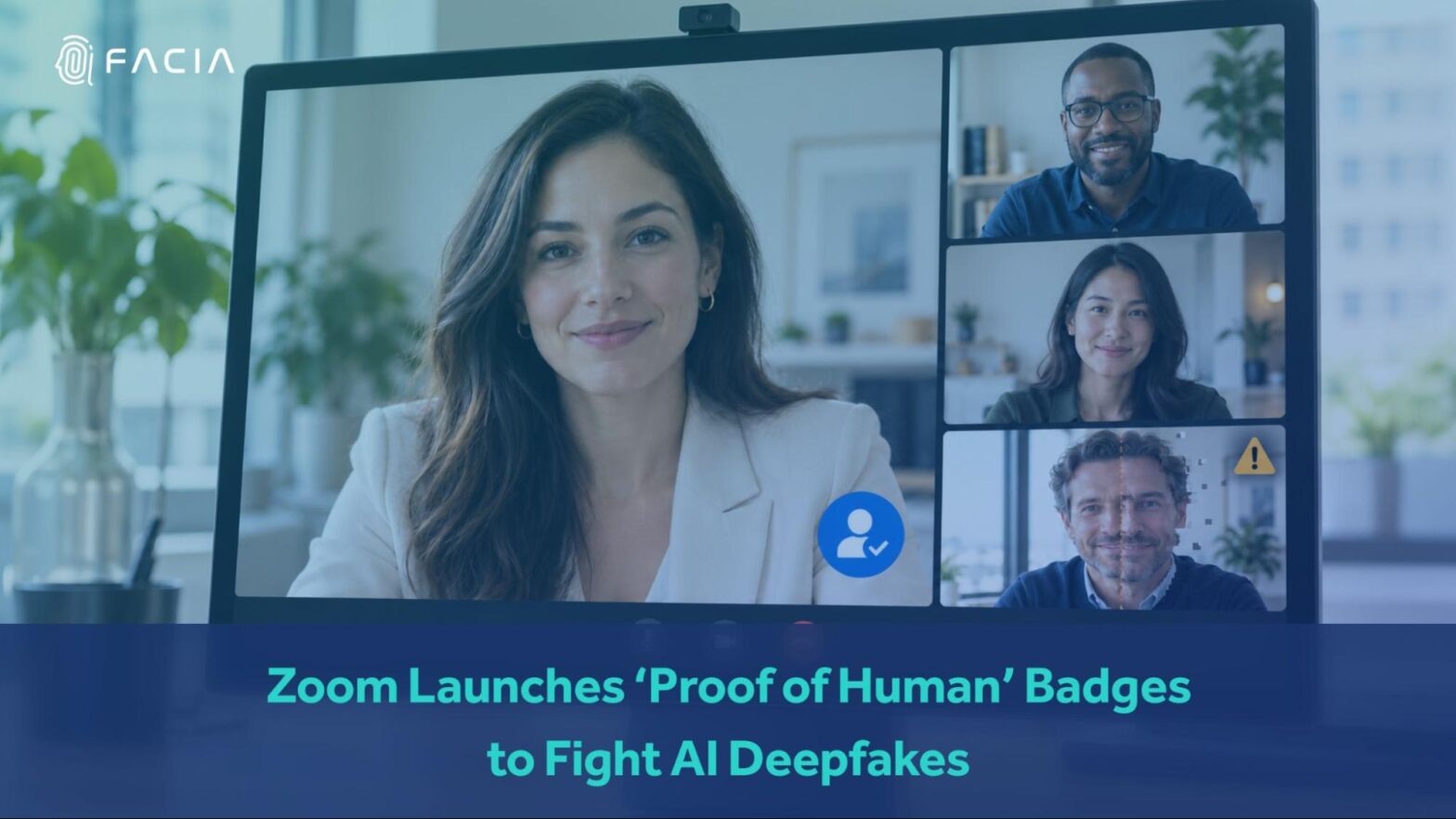
Zoom Launches ‘Proof of Human’ Badges to Fight AI Deepfakes
Author: admin | 21 Oct 2026
Zoom has introduced a biometric feature that allows enterprise participants to confirm they are real humans rather than AI-generated deepfakes. The feature, developed by Sam Altman-backed identity project World, became globally available through the Zoom Marketplace on October 18, 2026.
Known as World ID for Zoom, the integration displays a Human Badge beside verified participants in meetings. It aims to reduce impersonation risks as synthetic video and audio threaten corporate communications across global digital workplaces.
The verification process uses World’s Orb device to capture iris biometrics during enrollment. When joining a meeting, participants complete a liveness check, which is matched with their World ID and video presence. Successful verification generates a badge visible to meeting attendees.
World initially announced the Zoom integration in April 2026, when VanEck Funds participated in limited testing. The broader enterprise rollout also involves design partners including Bain Capital and Pantera Capital, reflecting growing demand for stronger authentication in financial services.
According to World’s official website, the integration is designed to help organisations verify that genuine individuals are participating in video meetings, strengthening trust in digital communication.
The announcement follows incidents involving deepfake impersonation. In 2024, an employee at engineering company Arup transferred approximately $25 million after criminals used fabricated identities during a video conference.
More recently, suspected North Korea-linked attackers reportedly used manipulated Zoom video feeds to deceive cryptocurrency and fintech employees into installing malware.
World says the technology is intended to establish that a unique, genuine person is present during sensitive conversations. However, verification badges should complement existing security procedures, including independent confirmation of financial instructions.
The rollout highlights growing demand for biometric identity verification as businesses seek protection against AI-driven fraud and increasingly sophisticated digital impersonation threats.

Previous AI Deepfake Impersonation Cases
Deepfake impersonation has already caused losses worldwide. In Hong Kong, Arup suffered a roughly $25 million fraud in 2024 after a manipulated video meeting. In 2026, suspected North Korean hackers reportedly targeted cryptocurrency firms through fake Zoom calls. These incidents underscore mounting risks to remote corporate communication and digital trust.


