UK Announces Stricter Facial Recognition Laws for Police Use
Author: admin | 06 Nov 2026
In This Post
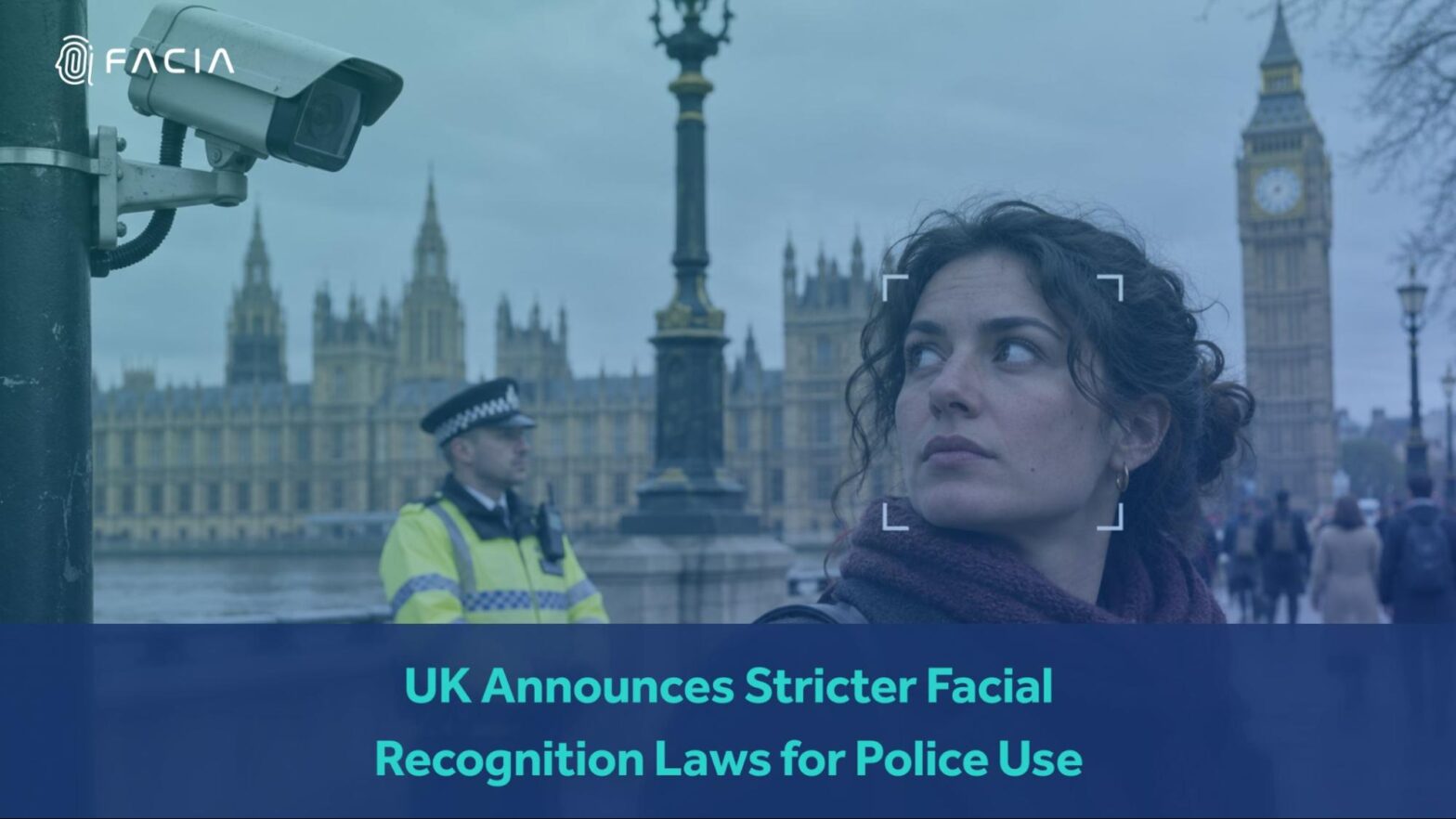
The UK government has announced plans to introduce stricter laws governing police use of facial recognition technology, establishing independent oversight, mandatory bias testing and clearer operational safeguards.
According to the official Home Office announcement, published on November 4, 2026, the measures follow a public consultation that highlighted support for facial recognition in policing alongside concerns about privacy, fairness and accountability.
Under the proposed framework, an independent watchdog will monitor police use of facial recognition and emerging technologies. The regulator could pursue enforcement action against noncompliant forces, including court injunctions restricting technology deployment.
Law enforcement technologies will also undergo rigorous independent testing to identify potential discrimination based on age, gender or race. New legislation will require intelligence-led, proportionate facial recognition deployments, limiting their use to locations where officers reasonably expect wanted individuals to be present.
According to the Home Office, static live facial recognition cameras deployed in Croydon between October 2025 and March 2026 contributed to 173 arrests. The Metropolitan Police also reported a 10.5% reduction in overall crime and a 21% decline in offences involving violence against women and girls compared with the previous year.
However, these figures do not independently establish that facial recognition caused the reductions. The government will develop separate codes of practice for police and businesses using facial recognition to prevent crime.
The announcement follows an £11 million investment to expand police facial recognition vans across England and Wales. The proposed reforms signal growing regulatory emphasis on accuracy, transparency and accountability as biometric surveillance becomes more widely deployed.
Global Regulations on Law Enforcement Use of Facial Recognition
The European Union’s AI Act restricts real-time remote biometric identification in public spaces, with limited law enforcement exceptions. In the United States, cities including San Francisco have restricted government use of facial recognition. These developments reflect international efforts to balance public safety, biometric surveillance and fundamental privacy rights.