NADRA Expands PakID With Digital IDs and Iris Biometrics
Author: admin | 02 Oct 2026
In This Post
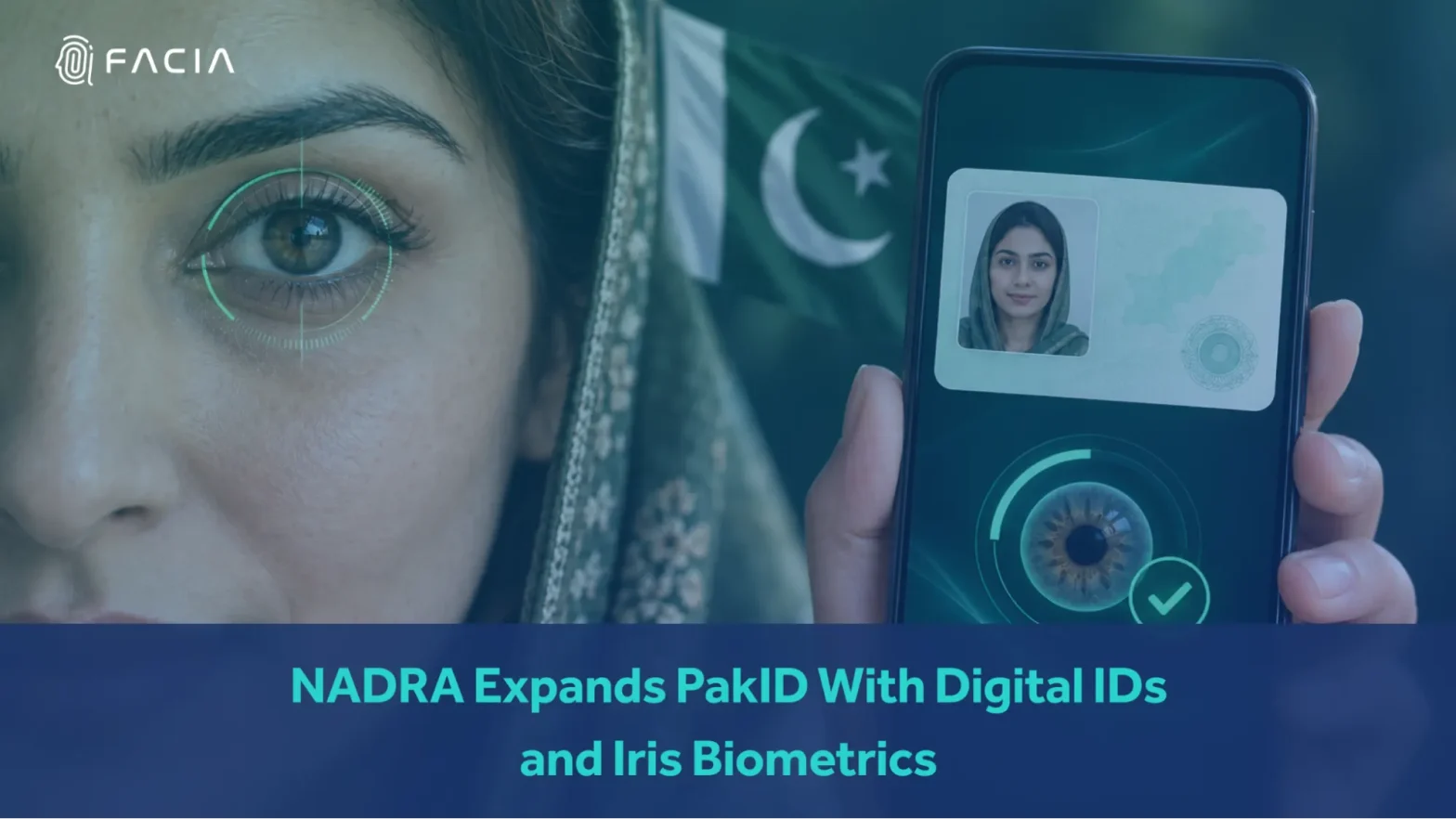
Pakistan’s National Database and Registration Authority, NADRA, has expanded the PakID mobile application with family digital identity credentials, QR-based document verification and additional biometric verification capabilities.
The latest PakID version allows users to obtain and store digital identity cards for eligible children and spouses alongside their own credentials. It also introduces QR verification for B-Forms and Identity Card Cancellation Certificates, enabling users to scan digital codes and access verified identity information through the application.
The development forms part of Pakistan’s wider move toward reusable digital identity infrastructure. NADRA has already introduced QR-enabled national identity cards and expanded digital verification services across public and private-sector use cases.
Alongside the PakID update, NADRA is extending iris biometric capture for people under 18 across more than 5,000 counters nationwide. The authority says the additional biometric identifier can strengthen child identification and reduce the risk of identity misuse.
Iris recognition is also being positioned as an alternative verification method where fingerprint authentication is unreliable. This may include elderly users, manual workers and individuals affected by medical or skin conditions.
Pakistan formally broadened its biometric framework in 2026 to recognise iris and facial characteristics alongside fingerprints, supporting a multimodal approach to identity verification.
As digital identity becomes increasingly connected to banking, travel and government services, multimodal biometrics can provide alternative authentication paths when a single biometric modality cannot reliably establish identity.
How Global Biometric Identity Is Changing
Pakistan’s approach reflects a broader shift toward reusable, multimodal digital identity. India’s Aadhaar system captures fingerprints and iris biometrics from children after age five, while UAE PASS uses facial recognition to establish digital identities and lets users securely access, store and share official digital documents across government services.