




Costa Rica Makes Digital ID Acceptance Mandatory From January 2027
Author: admin | 17 Nov 2026
In This Post
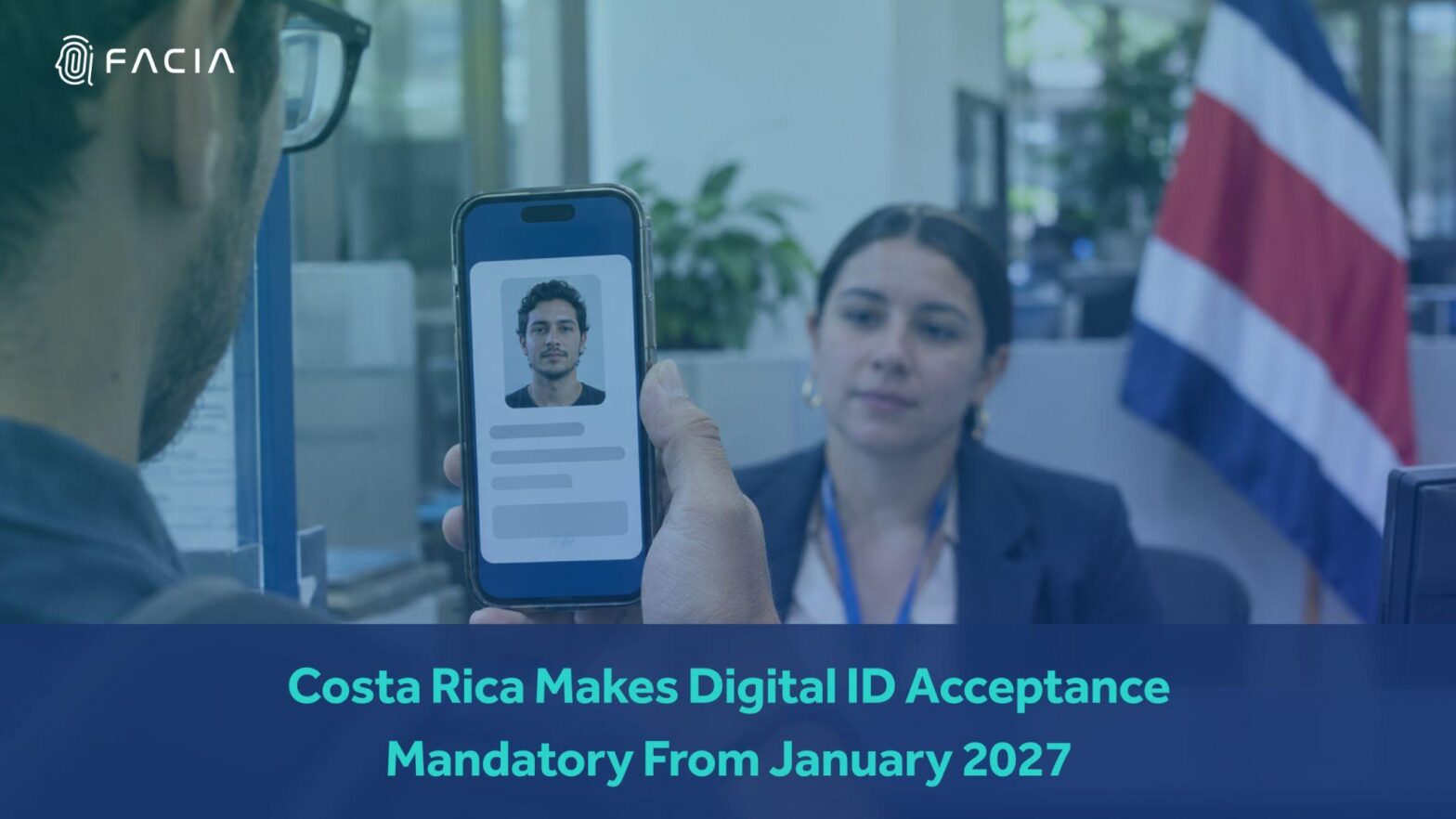
Costa Rica will make acceptance of its smartphone-based national digital identity mandatory for public and private institutions from January 1, 2027. The measure means citizens can use a digital credential for services and official identification without being asked to produce a physical card.
In a November 10 announcement, the Supreme Electoral Tribunal (TSE) said the Identidad Digital Costarricense (IDC) has the same legal validity as the traditional national identity card. The deadline follows Judgment 1120-E7-2026, issued in February, which gave institutions time to adapt their existing verification procedures.
Launched in September 2025, IDC allows citizens to carry their official identification on smartphones. By November 1, 2026, the TSE reported 107,243 applications. Applicants must hold a physical identity card, submit their identification number, complete verification and provide a valid email address. The four-year credential costs 2,600 Costa Rican colones, with older adults exempt from the fee.
The application uses facial biometrics or a PIN to control access to the credential. According to the TSE, each digital ID also contains a digital certificate designed to protect against tampering. Police must recognise IDC for identification, after the tribunal rejected a requested exemption for law enforcement.
Mandatory acceptance goes beyond launching an identity app. Banks, service providers and government agencies must be ready to recognise digital credentials and determine whether they are authentic. The change raises the importance of secure digital identity workflows, particularly where remote access can create opportunities for impersonation and fraudulent account creation.
For organisations, the challenge will be integrating reliable credential checks and identity verification into existing services without undermining convenience. Costa Rica’s rollout illustrates how biometric authentication and institutional acceptance increasingly work together as governments move towards digital-first identification.
Global Recognition of Digital IDs
Spain advanced its digital DNI with full legal recognition in 2026, while Peru granted digital credentials the same legal standing as physical IDs. Pakistan reinforced official acceptance of digital identification, and Azerbaijan recognised digital identity information as legally equivalent. Jordan also approved Sanad digital IDs for identity verification in banking.