
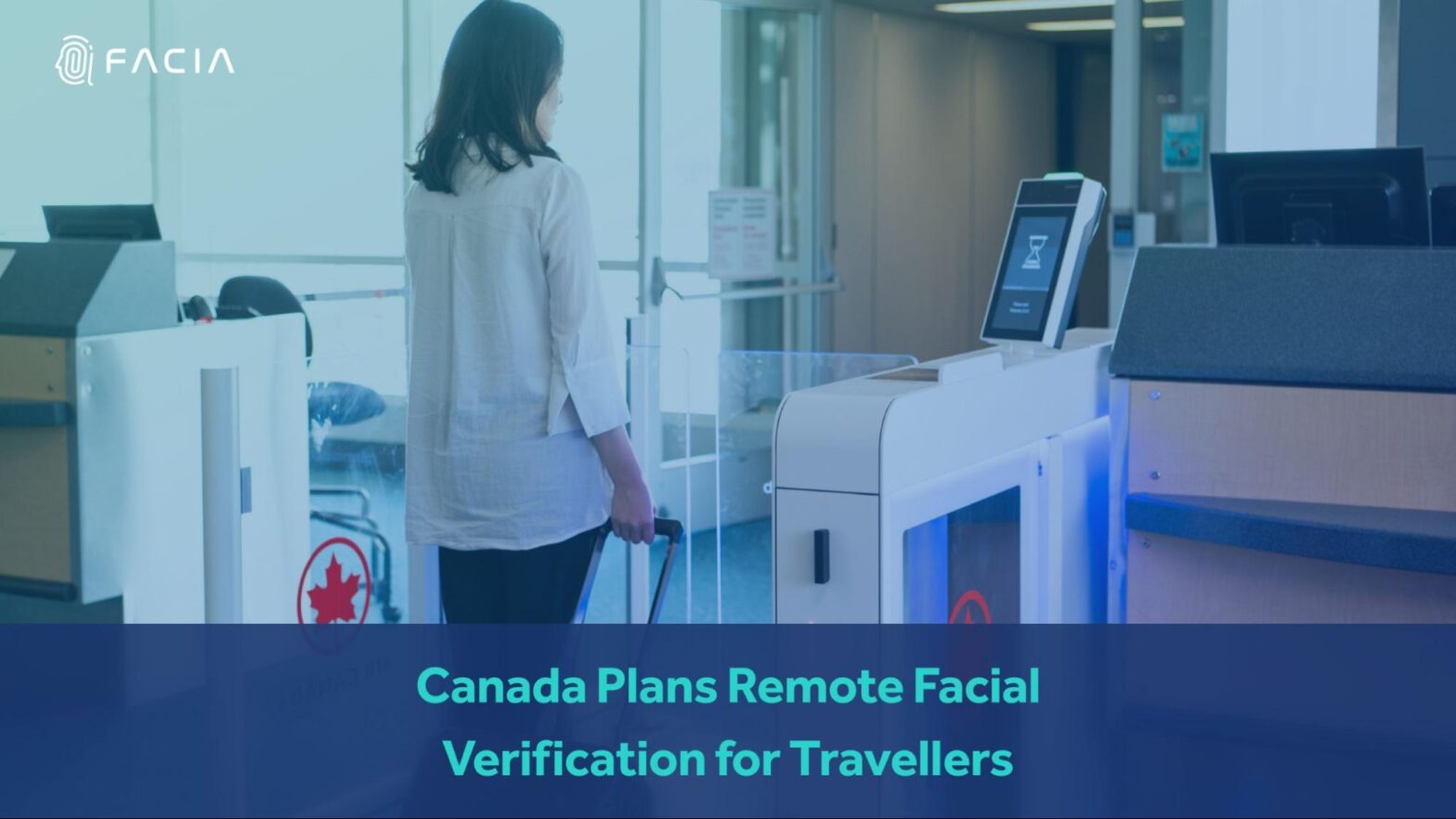
Canada Plans Remote Facial Verification for Travellers
Author: admin | 10 Nov 2026
In This Post
Canada has proposed expanding biometric identity checks for travellers under its 2026 federal budget. The plan includes remote facial image submission for certain visitors before departure and a strategy to modernise how biometric credentials are used across airports and border services.
According to Canada’s 2026 federal budget, the government proposes C$90 million over four years for Immigration, Refugees and Citizenship Canada (IRCC) to strengthen immigration screening using facial images and fingerprints. Under the proposal, visa-exempt travellers applying for an electronic travel authorisation (eTA) would submit a facial image remotely to help verify their identity and reduce fraud.
An eTA is required for eligible visa-exempt foreign nationals travelling to Canada by air. Introducing facial image collection at the application stage would move an identity check earlier in the travel process, rather than relying on checks at the border.
Separately, the budget allocates a proposed C$4.3 million over four years, beginning in 2026–27, for Transport Canada to develop a Traveller Biometrics Strategy. The initiative will examine digital travel credentials and coordinate work involving airports, airlines, security screening and border agencies.
A Special Advisor on Traveller Biometrics would oversee coordination. The strategy is expected to address privacy, personal information, accessibility, cybersecurity and individual choice as biometric systems become more integrated into the travel experience.
The budget also proposes C$192.5 million to modernise Canada Border Services Agency technology infrastructure over four years from 2027–28, with ongoing annual funding thereafter. The Canadian Airports Council welcomed the investment while calling for careful implementation.
The proposed measures are not yet operational requirements. They signal Canada’s intention to expand digital identity verification beyond physical checkpoints while balancing identity fraud prevention, passenger convenience and safeguards for sensitive biometric data.
Global Shift Towards Facial and Iris Recognition at Borders
Similar developments have emerged elsewhere. The European Union launched its Entry/Exit System in October 2025, recording facial images and fingerprints of eligible non-EU travellers. Singapore introduced passport-less immigration clearance at Changi Airport in September 2024, using facial and iris biometrics. Both initiatives reflect a shift towards digital border identity checks.


